Garage Door Repair in
Rainier Valley, Seattle, WA
- Detached Alley Garages Are Our Everyday Work
- Hardware Specified For Damp, Unheated Buildings
- 24/7 Emergency Dispatch
- Free Written Estimate Before Any Work
Garage Door Repair & Service in the Rainier Valley
Garage Door Repair Along the Rainier Valley
The Rainier Valley is a trough, not a hillside. It runs southeast between Beacon Hill on one side and the ridge that carries Rainier Avenue on the other, and every winter the ground above it drains straight down into it. Lots on the low side of the street often sit below the crown of the road, so a driveway that looks level from the sidewalk is actually pitched toward the garage. Water arrives at the door before it arrives anywhere else on the property, and it stays there because the valley floor holds it.
That water does the damage you would expect to steel and wood, but it does it in a particular order. The bottom seal goes first, then the bottom section, then the hinges and the bottom brackets, because those are the parts sitting in the puddle. By the time a homeowner notices the door is stiff, the corrosion has usually been running for two or three winters, and the springs have been sitting in the same wet air the whole time.
The housing stock spreads the problem around rather than concentrating it. Blocks of 1920s bungalows sit beside 1950s ramblers and 1980s townhouses, and most of the older houses have their garage out on the alley rather than attached to the house. That means unheated, uninsulated buildings with no ventilation, a mixture of original wood doors, early steel doors and whatever was fitted in a remodel, and hardware that varies from one lot to the next.
Why Valley Garage Doors Fail Differently
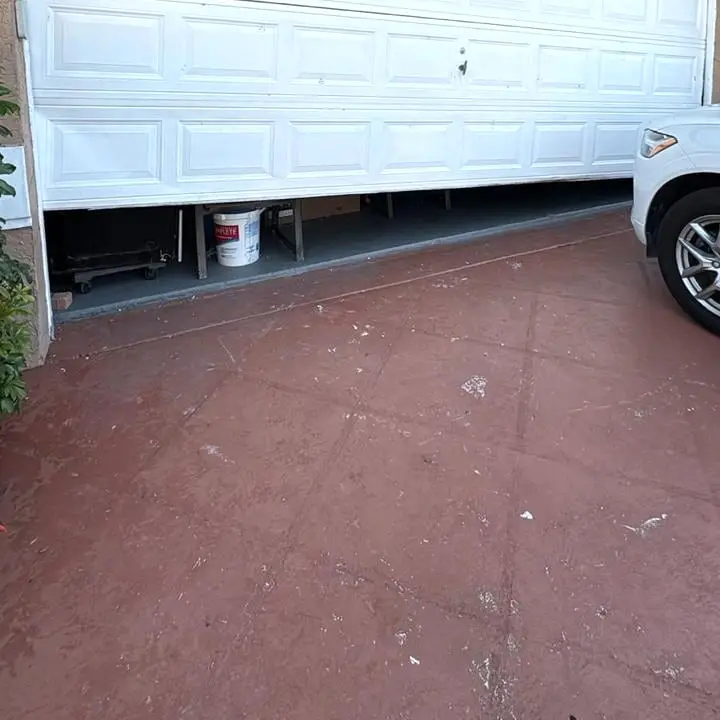
Drainage is the first variable. Glacial till and outwash soils under the valley drain poorly in places, and the alley network is graded to move surface water along rather than off. A detached garage at the low end of a block can have standing water against the door for weeks at a time in a normal wet season, which is a very different duty than a garage on a drained hillside lot.
Access is the second. The alley garages that dominate the older parts of the valley were laid out for a Model T turning circle, not a full-size pickup, and many of the blocks along Martin Luther King Jr Way were reworked when the light rail line was built down the corridor in the 2000s. Driveways were reconfigured, some curb cuts moved, and a few garages ended up with an approach angle that no longer matches the building. A door that is mechanically sound can still scrape, bind or refuse to seal because of what happened to the ground in front of it.
What We Account For in Rainier Valley
Water Reaches the Door First
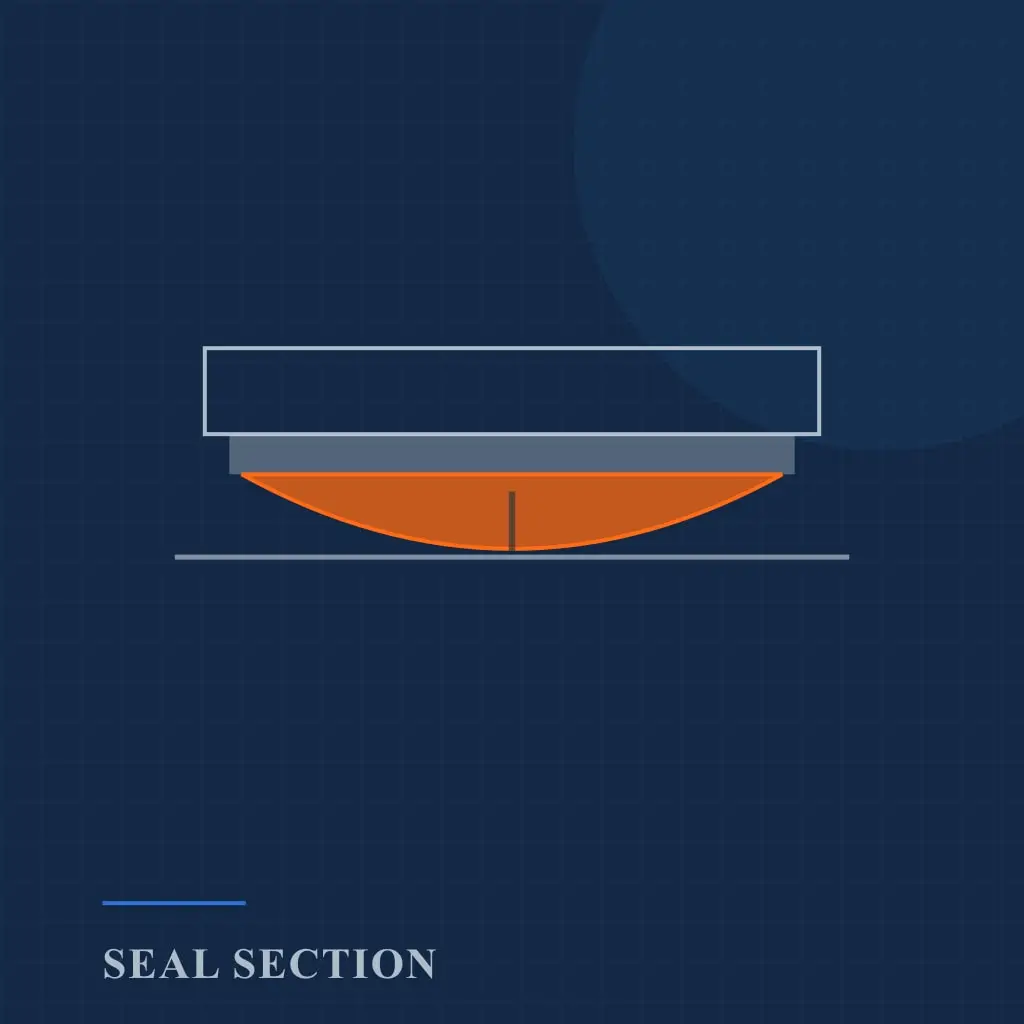
For low-side lots we look at the apron and the driveway pitch before we quote anything mechanical, because replacing a bottom seal on a door that floods every January just buys one more winter. Where the grade cannot be changed we specify a heavier round-bottom seal, a rust-resistant bottom section and stainless fasteners at the lowest points.
Long Blocks of Alleys, Long Blocks of Doors
Whole blocks of the valley are served by one alley, so we routinely work several doors within a few hundred feet. It is worth having the neighbours looked at in the same visit, because doors fitted in the same decade on the same block tend to fail in the same year.
Mixed Vintages, Mixed Hardware
Original wood doors, 1970s steel doors and modern insulated doors all need different spring sizing and different track tolerances. We measure the actual door weight rather than trusting a model plate, which on a valley door has often been painted over or replaced.
Common Garage Door Problems in Rainier Valley
Bottom Sections Rotting Out
The lowest panel and its seal sit in water on the low side of the valley. Once the bottom section swells or delaminates the door no longer closes square, and the seal can never be made to sit flat again until the section is replaced.
Torsion Springs Pitting From Damp Air
An unheated alley garage holds moisture in the air all winter. Bare oil-tempered springs under constant tension pit from the surface inward and snap well before their rated cycle count, usually on the first cold morning after a long wet spell.
Doors Binding After Ground Movement
Old alleys, shallow footings and wet winters move slabs and aprons. A door that was adjusted two years ago can end up dragging on one side because the floor under one track has dropped, not because the door itself changed.
Original Openers With No Safety Reverse
Plenty of valley garages still run an opener old enough to have no working photo-eye or force reversal. On a door that is heavy from a weak spring, that combination is the one we treat as urgent.
Garage Door Services in Rainier Valley
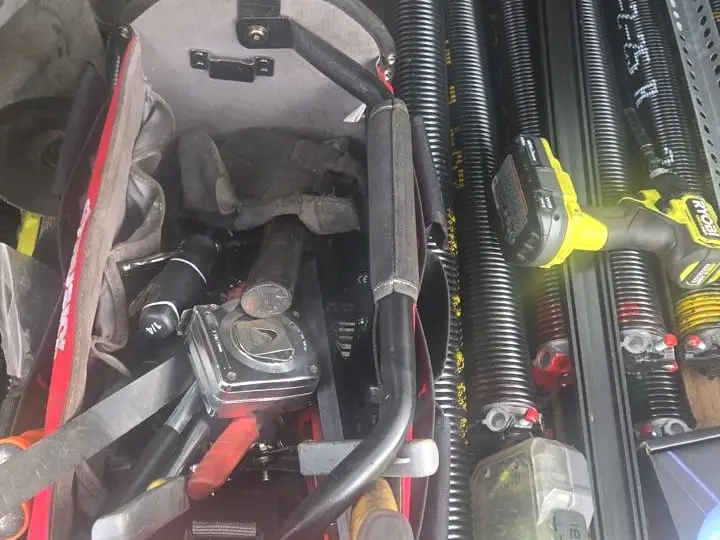 Spring ReplacementTorsion and extension springs replaced with the correct wire gauge and cycle rating for your door weight.
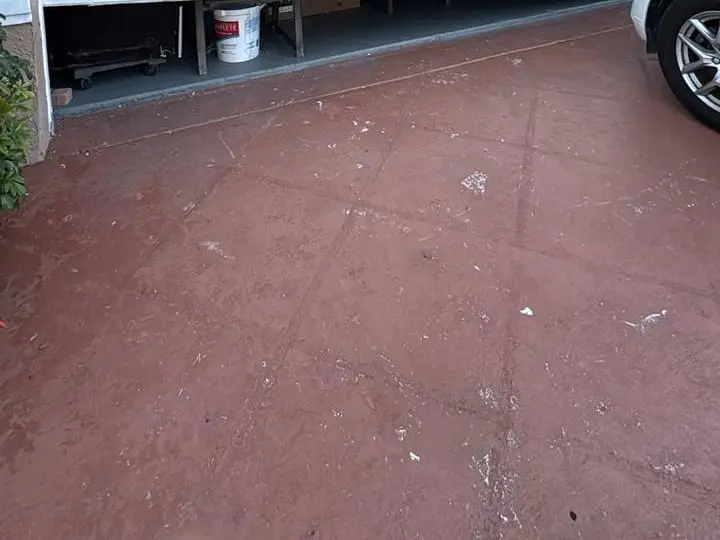 Weather Seal & InsulationBottom rubber, jamb seals and insulated panel upgrades that keep rain, damp air, grit and pests out of your garage.
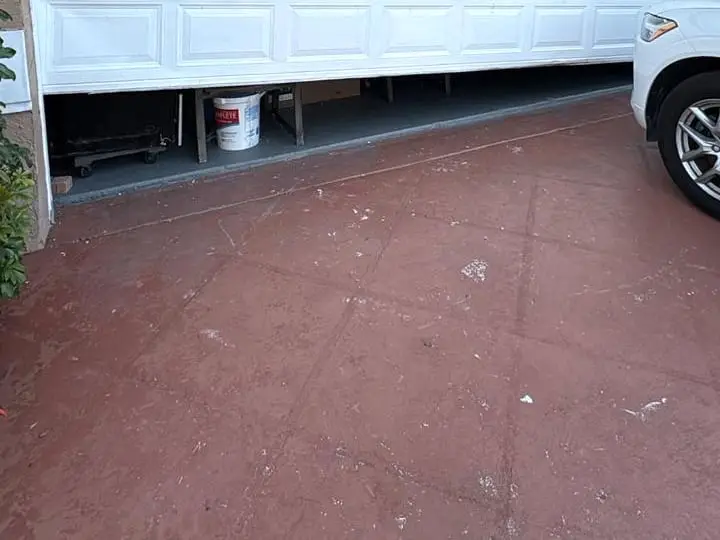 Panel ReplacementDented, rusted or water-damaged sections replaced with panels matched for colour, profile and window inserts.
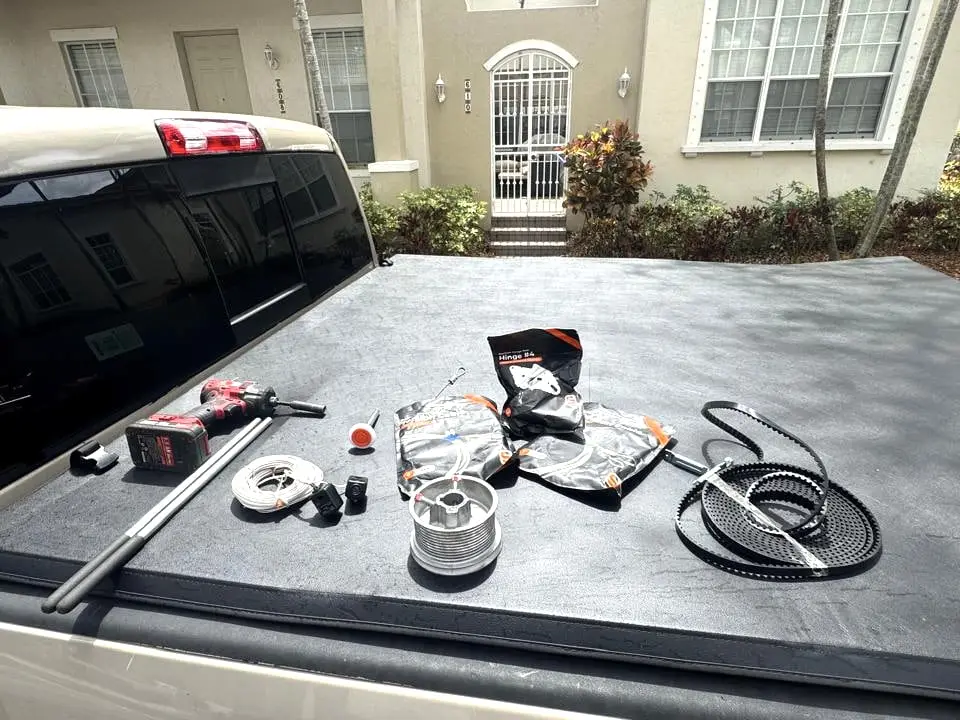 Tune-Up & InspectionA full 20-point service covering lubrication, balance, travel limits, force settings and safety reverse testing.
Getting to You Across the Valley
We are based in Hillman City, in the middle of the valley, so most Rainier Valley addresses are a short run along Martin Luther King Jr Way or Rainier Avenue. Doors that are stuck open, jammed on a car or hanging off a track go to the front of the schedule and are usually handled the same day. For everything else we book a window that suits you and confirm the alley access and where the van can stage before we set off, because a blocked alley costs more time than the drive does.
Service area includes ZIP 98118, 98108, 98144 · South Seattle
Common Questions
Garage Door Questions in Rainier Valley
If your question is not answered here, call us. We answer around the clock and will tell you honestly whether a visit is needed before you book one.
Not sure what the noise means?
Describe the sound, the sticking point or the damage and we will tell you what it usually is and what it usually costs to put right.
Often yes. The door weight is the same, so the spring has to be sized the same way, but the environment the spring lives in is worse. An unheated detached garage on an alley holds damp air through the wet season, and moisture on bare steel under constant tension is what causes pitting and early failure.
Where a valley garage never dries out we fit a higher cycle rating and, on doors used several times a day, a coated spring. It costs a little more up front and it is the difference between a spring that reaches its rated cycles and one that fails in the middle of a wet January.
How It Works
Working With Us Is Easy As 1-2-3
- Step 01
Get A Fast Quote
Call or send the short online form. Tell us the door type, whether it is attached or detached, and what it is doing wrong, and we will quote it honestly with no obligation.
- Step 02
Set A Schedule
Choose a date and time that suits you. Emergency calls are dispatched 24/7, and planned work is booked around your week rather than ours.
- Step 03
Sit-back & Relax
The technician arrives with the parts on the truck, confirms the diagnosis with you, completes the repair, cycles the door and walks you through the safety reverse test.