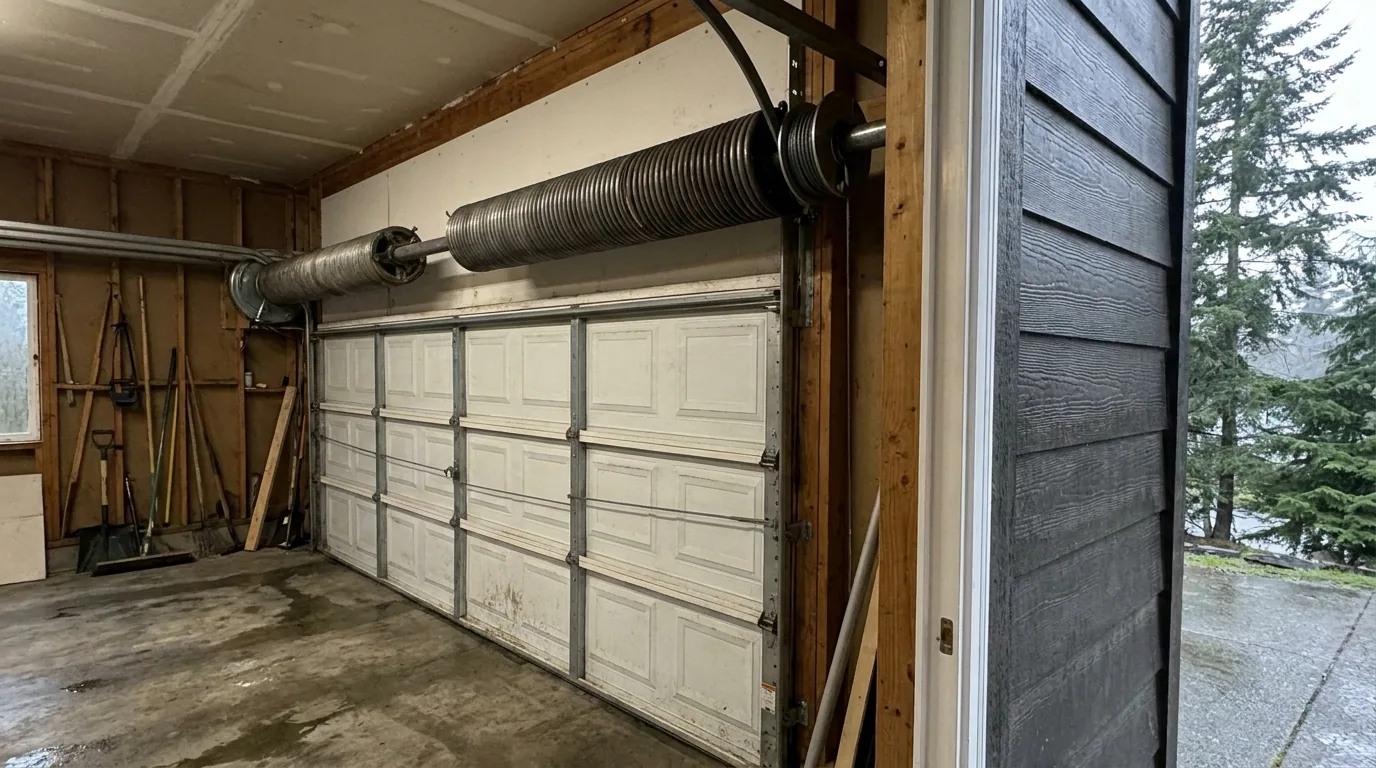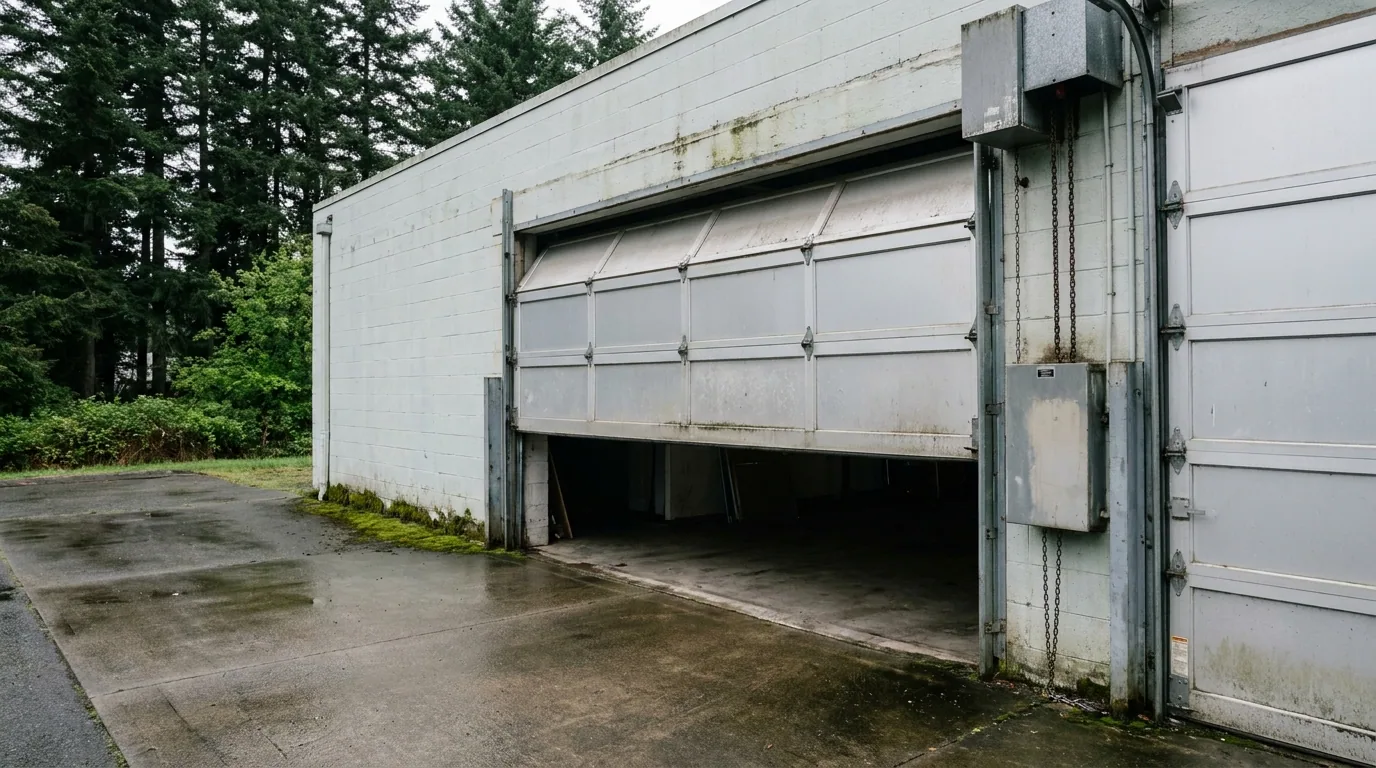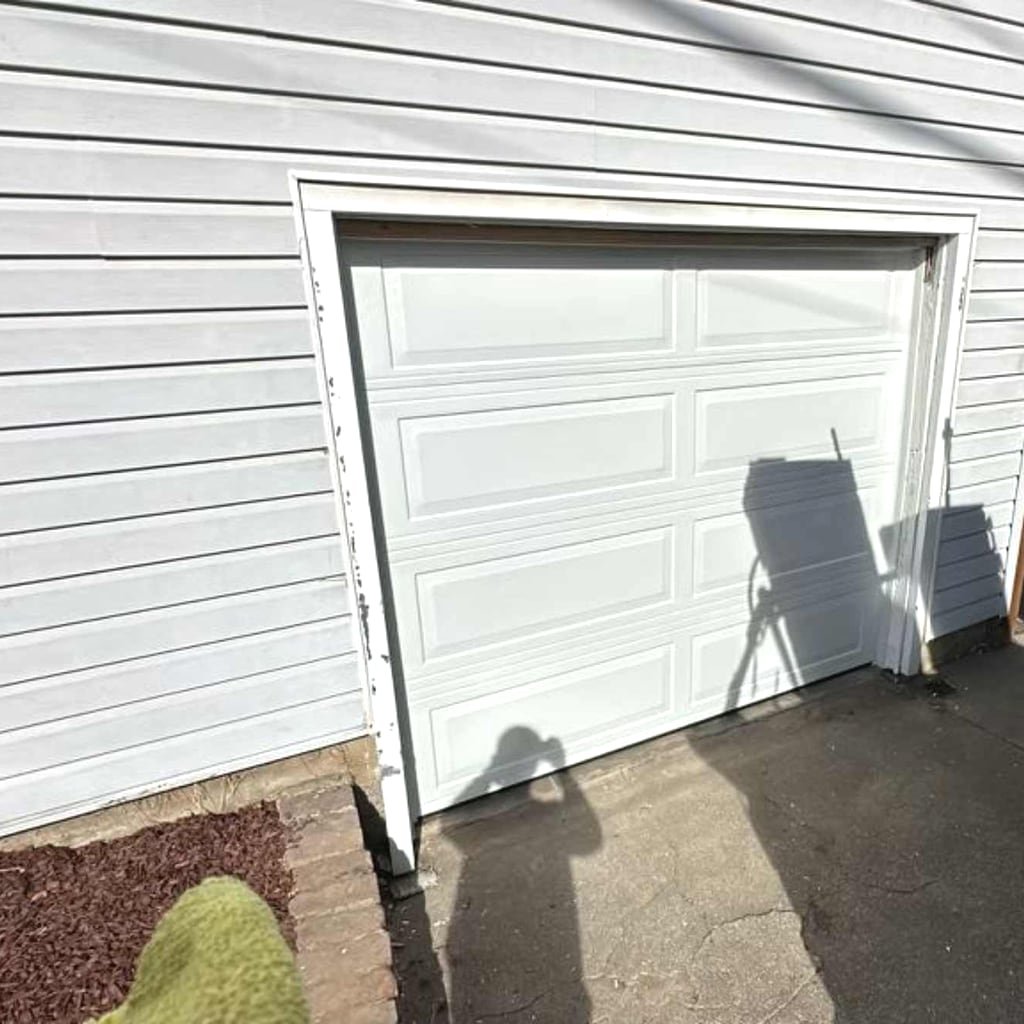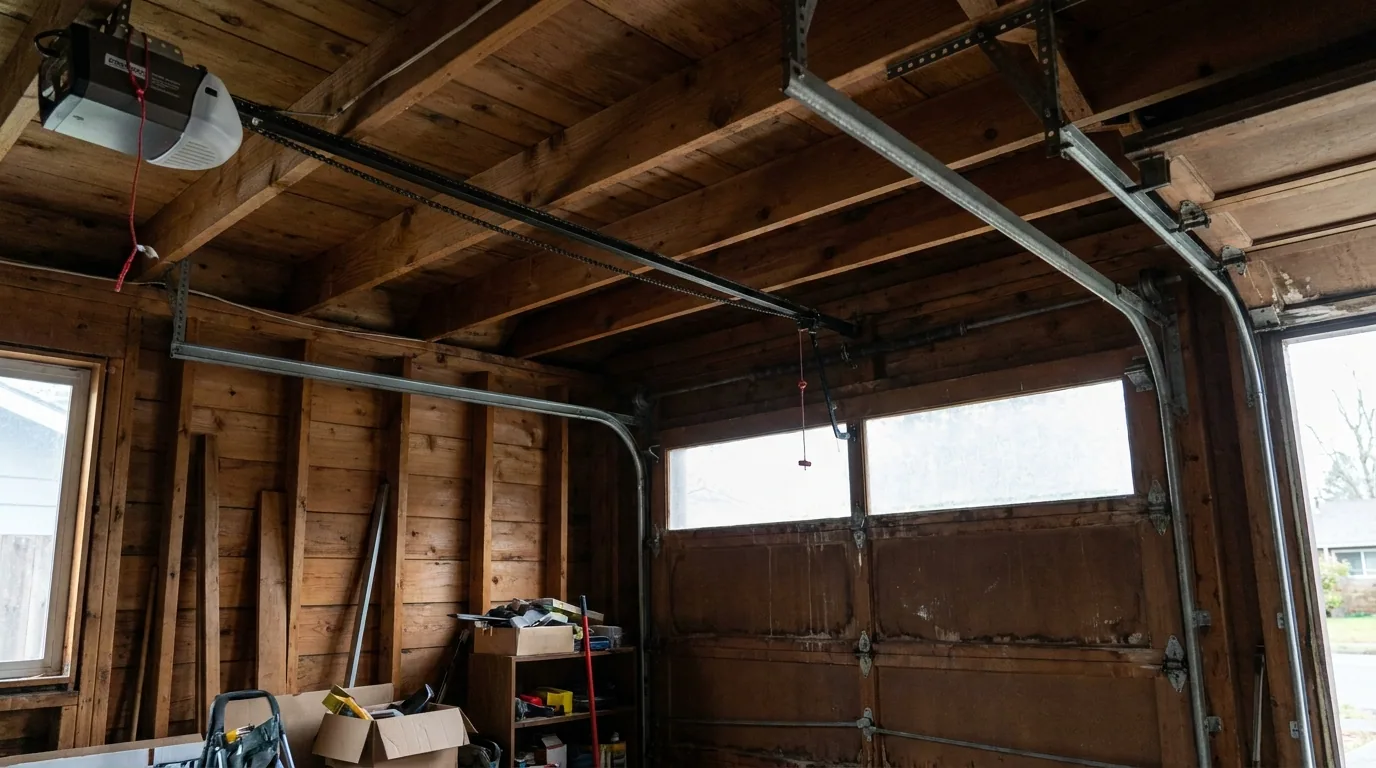
You notice it when you leave for work: the garage door seems to groan, squeal, or rattle more than it did the night before. By evening, it sounds closer to normal. This pattern is common in Seattle's older neighborhoods, where garages are often detached, unheated, and fitted with hardware that has seen many seasons. The difference between morning and evening is not imaginary, but the cause is usually mechanical rather than mysterious. This article explains what to listen for, what you can safely check yourself, and when to call a technician.
What the difference between morning and evening tells you
If the door is louder in the morning, the change is likely tied to something that varies between morning and evening: temperature, humidity, or how long the door has been sitting idle. In Seattle, the morning is often the dampest part of the day, and the garage may have been closed up all night. That can affect how freely metal parts move and how wood behaves. However, it is not always possible to say exactly which factor is responsible without inspecting the door. What matters is that the noise is a symptom of something changing in the door's operation.
Common sources of morning noise
Several components can produce noise that seems worse after a cold, damp night. The most frequent are:
- Dry or worn rollers: Steel rollers can lose lubrication and squeal on the track. This is often more noticeable on the first cycle of the day.
- Loose or dry hinges: Hinges that have lost lubrication or worked loose can rattle and creak.
- Track alignment: A track that is slightly out of alignment can cause the door to bind, especially when the door is cold.
- Opener drive train: A worn belt or chain, or a failing gear, can produce a grinding or rattling noise that is more apparent when the opener is cold.
- Wood door swelling: A wooden door can absorb moisture overnight and swell slightly, making it heavier and more prone to rubbing.
These are possibilities, not certainties. The only way to know which applies to your door is to have the door inspected by a technician who can check each component.
What you can safely observe
You do not need to touch springs, cables, or the opener's internal parts to gather useful information. With the garage empty and the door closed, you can observe the following from outside the door:
- Does the door sit crooked in the opening?
- Is there a gap along the top or sides of the door?
- Does the door feel heavier than usual when you lift it manually (if your opener has a release)?
- Do you hear a new noise at the start of the cycle, such as a squeal, grind, or rattle?
These observations can help a technician diagnose the problem faster. Do not attempt to inspect springs, cables, or the opener's drive train yourself. Those parts are under tension or contain moving components that can cause serious injury.
When to call a technician
Any change in noise, especially if it is accompanied by the door moving unevenly, reversing before closing, or failing to open fully, warrants a professional inspection. A technician can lubricate moving parts, check track alignment, inspect springs and cables, and test the opener's force and travel settings. In Seattle's damp climate, regular maintenance can also help prevent rust and wear from turning into larger problems. If you are in the service area, call F1 Garage Door Service and Repair LLC at (206) 647-7202 to schedule a tune-up and safety inspection.
Preventing morning noise
While you cannot control the weather, you can reduce the likelihood of noise by keeping the door properly maintained. A yearly tune-up that includes lubrication of hinges, rollers, and tracks, and a check of the door's balance and opener settings, can keep the door running smoothly. If your door is older or has been exposed to years of damp air, a maintenance plan may be worthwhile. F1 Garage Door Service and Repair LLC offers maintenance plans for residential and commercial doors in Seattle and the surrounding areas. They are a registered Washington State contractor.